
What are neurocosmetics, and why do they change how we understand skin care? The skin–brain connection at the heart of Skinmentalism.
Contents
For many years, skin care treated skin as a surface to be acted on from outside. Neurocosmetics asks a different question: what happens if we start from the nerve network beneath?
What are neurocosmetics?
Neurocosmetics is a field of science at the intersection of neurology, dermatology and cosmetic chemistry. It studies how actives in skin care products affect the nervous system, both at the level of the skin (peripheral nerves) and at the level of the brain (through sensory signals).
It sounds complicated, but its foundation is a simple and profound observation: skin and brain develop from the same embryonic tissue layer, the ectoderm. They are never truly separate. From the moment they form, skin and the nervous system talk to each other through a constant network of signals.
"Skin isn't just a physical barrier — it is a sensory organ, constantly processing and responding to information from the environment and from inside the body."
How does skin talk to the brain?
Skin has around a million sensory nerve endings, more than any other organ in the body. These nerve endings don't only transmit sensations (heat, cold, pain, touch); they also release and respond to a long list of neurotransmitters and neuropeptides:
- Substance P: Released when skin is under stress (physical or psychological), causing inflammation and stimulating the sebaceous glands. This is the mechanism that explains why stress directly causes acne.
- CGRP (Calcitonin Gene-Related Peptide): Regulates blood flow to the skin and the inflammatory response. High CGRP levels are linked to rosacea and chronic skin hypersensitivity.
- Beta-endorphin: The "happiness hormone", released in the skin during massage, gentle sun exposure or pleasant sensations — with a local anti-inflammatory effect.
- Serotonin: About 90% of the body's serotonin is produced in the gut, but skin also produces and uses serotonin through its own mechanisms, affecting cell renewal and immune response.
Neurocosmetics in product formulation
Neurocosmetic researchers focus on identifying and using actives that can intervene in these nerve signals in a targeted way:
Acetyl Hexapeptide-8 (Argireline)
Nicknamed "Botox in a bottle", this active gently inhibits the release of neurotransmitters at the neuromuscular junction, helping relax facial muscles tightened by repeated expressions. As a result, expression lines fade over time with consistent use.
Palmitoyl tripeptide-5
This peptide mimics the TGF-β signal, a growth factor the body uses to trigger collagen production after the skin is injured. Applied directly to the skin, it "tricks" fibroblasts into producing new collagen, even when there's no real injury.
Beta-glucan
Not all neurocosmetics are complex. Beta-glucan, a polysaccharide found in oats, acts on immune receptors in the skin to reduce inflammation caused by nervous stress, and is especially effective for rosacea and neurogenic sensitive skin.
Bakuchiol
Extracted from the Psoralea corylifolia plant, bakuchiol acts on retinoid receptors without triggering the same irritation pathway as retinol. This makes it a suitable choice for neurogenic sensitive skin that needs anti-ageing results but can't tolerate traditional retinol.
Claire's DA KÝ™ philosophy builds the neurocosmetic perspective into every step of analysis and treatment, assessing not only the skin's surface but also the neuro-endocrine factors that affect skin from within.
Discover DA KÝ™ Book a ConsultationSkinmentalism: neurocosmetics in clinical practice
Neurocosmetics provides scientific evidence for what Claire has observed in clinical practice from the very beginning: skin and mind cannot be treated separately without losing much of the effect.
The Skinmentalism philosophy at Claire's foundation is, in essence, the clinical application of neurocosmetics: understanding that a recurring breakout may have its root in cortisol, that chronic facial redness may be linked to CGRP, and that the feeling of relaxation during treatment isn't a "bonus" but part of how the treatment works.
Neurocosmetics and the future of beauty
Major global cosmetics brands, from L'Oréal to Shiseido, have their own neurocosmetic research divisions. In Vietnam, the trend is still new, but it is being quickly embraced by consumers looking for an approach to beauty with more depth than surface effects.
The question worth asking is "how does this active interact with my skin's nervous system, and is that what my skin truly needs?"
This is the question Claire always asks before every treatment decision.
Skinmentalism isn't just a keyword; it's the scientific foundation behind how Claire designs every treatment and treatment space. Read more about the philosophy to understand how our approach to skin care differs from the rest of the market.
About Claire & Skinmentalism Signature ProgramsIf you'd like to know what your skin needs, book a Da Ký™ session at Claire Wellness. Phú Mỹ Hưng (District 7) hotline: 0812 345 785 · Tân Sơn Nhất (Tân Bình): 0812 345 791.
References
- Blanes-Mira C, et al. A synthetic hexapeptide (Argireline) with antiwrinkle activity. International Journal of Cosmetic Science, 2002. View source
- Dhaliwal S, et al. Prospective, randomized, double-blind assessment of topical bakuchiol and retinol for facial photoageing. British Journal of Dermatology, 2019. View source
- Chen Y, Lyga J. Brain-Skin Connection: Stress, Inflammation and Skin Aging. Inflammation & Allergy - Drug Targets, 2014. View source
This article is for reference only and does not replace a doctor's diagnosis and advice. Results of each method vary depending on your skin.
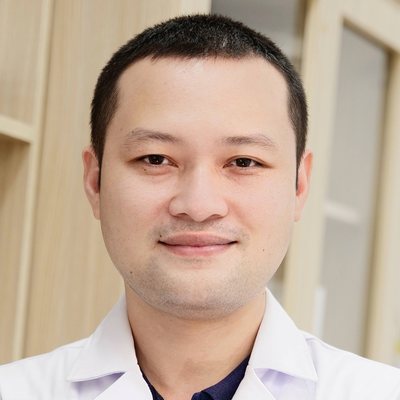
Dr. Nguyễn Nhật Minh
Dermatologist · Founder of Claire Wellness
A dermatologist grounded in laser and light therapy, who laid the foundations of Skinmentalism and Claire's personalised way of working.

Dr. Nguyễn Thảo Chi
Physician · Psychiatry & Psychology · Skinmentalism
A physician specialising in psychiatry and psychology, who brings a clinical psychology perspective to the foundations of Claire's Skinmentalism.
Contact Claire Wellness
Claire Wellness skin care centre · Website: www.claire.vn · Fanpage: facebook.com/clairevietnam · Instagram: @clairewellnessvn
Claire Wellness Phú Mỹ Hưng
42 Street 17, Phú Mỹ Hưng, District 7, Ho Chi Minh City
Hotline / Zalo: 0812 345 785
Opening hours: 09:00 – 18:00, Monday – Sunday
Claire Wellness Tân Sơn Nhất
3E Phổ Quang, Ward 2, Tân Bình District, Ho Chi Minh City (Him Lam villa area, opposite Tâm Anh Hospital)
Hotline / Zalo: 0812 345 791
Opening hours: 09:00 – 18:00, Monday – Sunday
Get advice now
Leave your phone number, and Claire will call you back to advise and hold an appointment for you.


