Skin doesn't just reflect emotions; it actively creates them. How Claire brings this depth into every treatment.
Contents
- Skin Doesn't Just Reflect Emotions: It Creates Them
- The mechanism: from skin to emotion
- Oxytocin: The Hormone of Connection
- Endorphins: Natural Pain Relief
- Serotonin: Balance and Stability
- Sensory skincare: designing products for sensation
- Texture and touch
- Scent and emotional memory
- The skin care ritual as a mindfulness practice
- How Claire Brings Emotional Neurocosmetics Into Its Care
Have you ever noticed feeling better after a skin care session, not only because your skin looks better, but because you feel lighter and more at ease than before? Science has an explanation.
Skin Doesn't Just Reflect Emotions: It Creates Them
For decades, the relationship between skin and emotion was understood in one direction: emotions affect the skin (stress causes acne, anxiety causes redness). New-generation neurocosmetics proposes the reverse: skin can actively influence our emotional state through nerve signals sent to the brain.
This isn't philosophy; it's physiology. Skin is the body's largest sensory organ, with an average area of 1.7–2 m², containing more than 1 million nerve endings and around 4 million sensory receptors. Every time the skin is touched, massaged, warmed or cooled, the brain receives the signal and responds.
"A skin care ritual isn't a luxury — it's a dialogue between body and mind, carried out in the language of sensation."
The mechanism: from skin to emotion
The signal pathway from skin to emotion passes through three levels:
Nerve endings in the skin receive a stimulus (touch, heat, pressure)
The signal travels through peripheral nerves to the spinal cord and brain
The brain releases oxytocin, serotonin, endorphins or norepinephrine
Oxytocin: The Hormone of Connection
Gentle touch, especially slow, intentional massage, stimulates the release of oxytocin from the hypothalamus. Oxytocin lowers cortisol, heart rate and blood pressure, and creates a feeling of safety and trust. That's why a professional facial with proper facial massage technique creates a state of deep relaxation that no product can replace.
Endorphins: Natural Pain Relief
Light pressure and comfortable warmth stimulate the release of beta-endorphins in the skin and central nervous system. Beta-endorphins have a local anti-inflammatory effect on the skin, which explains why heat therapy (warm towels, steam, warm massage) is often built into treatments for inflamed skin such as rosacea or irritated skin.
Serotonin: Balance and Stability
Skin produces serotonin locally, and skin serotonin levels are linked to the rate of epidermal cell renewal. When our psychological state is good (high central nervous system serotonin), skin renews faster and recovers from damage more effectively. This is one of the mechanisms that explains why people going through a positive period often have noticeably better skin.
Claire's Signature Programs build neurocosmetic principles into every step, from room temperature, lighting and massage technique to the choice of actives, to optimise both the skin result and your psychological state after treatment.
Xem Signature Programs BookingSensory skincare: designing products for sensation
Emotional neurocosmetics isn't only about the actives in a formula; it's also about the sensory experience of a product: its texture, scent, temperature on the skin, even the sound of opening the jar. All these factors trigger different nerve responses and can be designed intentionally.
Texture and touch
The light, silky texture of a water-based serum activates fast touch receptors (Meissner's corpuscles), creating a fresh, awakening feeling. The rich, warm texture of a balm or thick cream activates deeper pressure receptors (Ruffini endings), creating a feeling of being enveloped and safe. This isn't subjective aesthetics; it's sensory physiology applied to formulation.
Scent and emotional memory
The olfactory system is the most direct route to the limbic system, the brain's centre of emotion and memory. Unlike the other senses, signals from the nose go straight to the amygdala and hippocampus without a relay station. That explains why a scent can trigger powerful memories and emotions almost instantly, and why scent in a spa treatment is a genuine neurocosmetic intervention, not just a sensory extra.
The skin care ritual as a mindfulness practice
From a neurocosmetic perspective, a skin care ritual done consciously and attentively is a form of mindfulness practice that integrates sensory feedback from the body. People who do their skincare routine with full attention (no scrolling, no rushing) have been recorded as having lower cortisol after 15 minutes than a group doing the same routine automatically, without awareness.
This doesn't mean skincare can replace meditation or psychotherapy, but it does mean the act of caring for your skin can be designed as a practice of real value for neurological health, not only for the skin's surface.
How Claire Brings Emotional Neurocosmetics Into Its Care
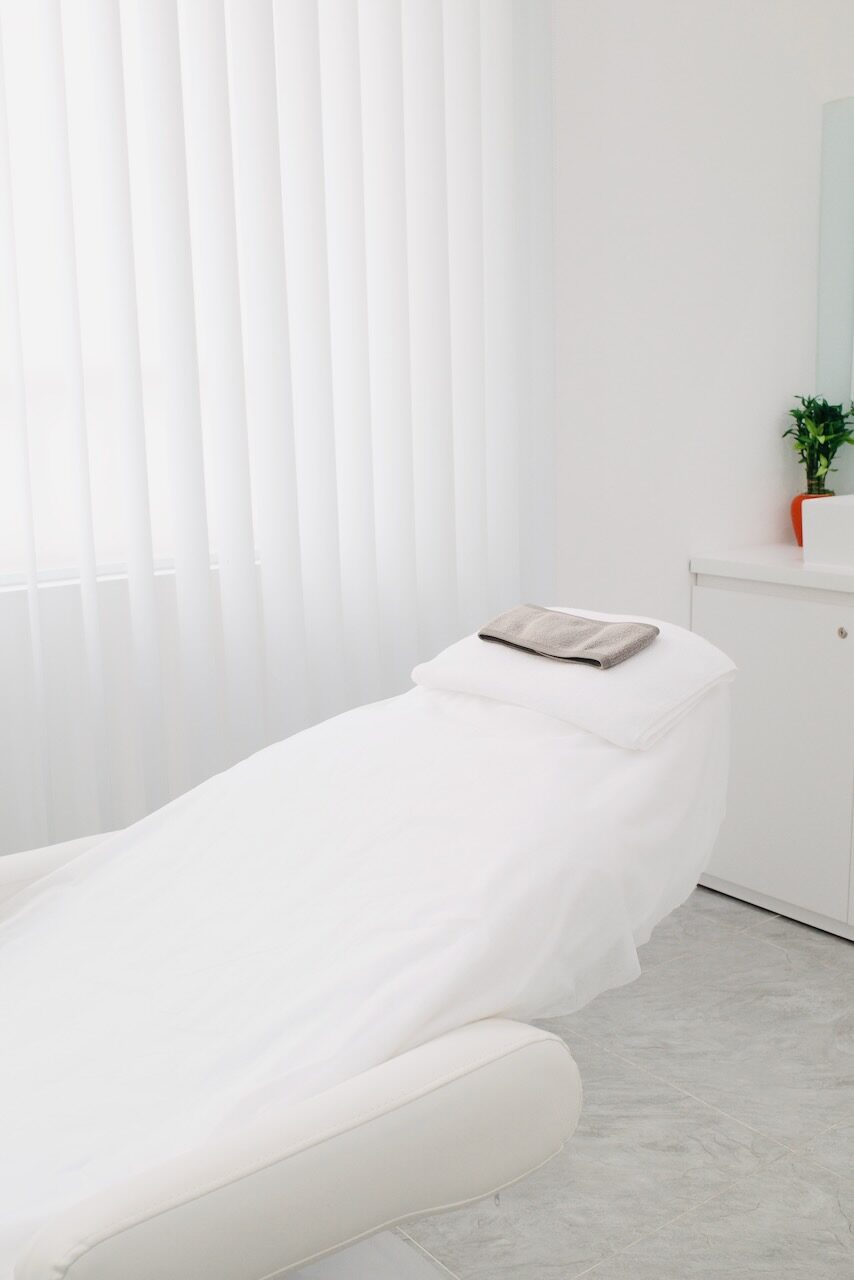
The Claire space is designed on the principles of emotional neurocosmetics: room temperature adjusted to each type of treatment, a low-frequency sound system that helps trigger the autonomic nervous system's rest response, and warm, controlled lighting that doesn't stimulate cortisol.
In every treatment, massage techniques are chosen not only for their effect on muscle and tissue but also for specific neurological effects: light effleurage to stimulate oxytocin, point pressure to release local endorphins.
That's why many Claire clients say they don't only see better skin after a treatment; they feel different inside. That isn't wishful thinking. It's physiology.
From lighting, temperature and scent to treatment technique, every detail of the Claire space is chosen with purpose. Come and experience the difference between an ordinary spa session and a treatment designed on neurocosmetic principles.
Book Now Learn MoreIf you'd like to know what your skin needs, book a Da Ký™ session at Claire Wellness. Phú Mỹ Hưng (District 7) hotline: 0812 345 785 · Tân Sơn Nhất (Tân Bình): 0812 345 791.
References
- Arck PC, et al. Neuroimmunology of Stress: Skin Takes Center Stage. Journal of Investigative Dermatology, 2006. View source
- Chen Y, Lyga J. Brain-Skin Connection: Stress, Inflammation and Skin Aging. Inflammation & Allergy - Drug Targets, 2014. View source
- The brain-skin connection: A narrative review of neuroendocrine and immune pathways. View source
This article is for reference only and does not replace a doctor's diagnosis and advice. Results of each method vary depending on your skin.

Dr. Nguyễn Thảo Chi
Physician · Psychiatry & Psychology · Skinmentalism
A physician specialising in psychiatry and psychology, who brings a clinical psychology perspective to the foundations of Claire's Skinmentalism.
Contact Claire Wellness
Claire Wellness skin care centre · Website: www.claire.vn · Fanpage: facebook.com/clairevietnam · Instagram: @clairewellnessvn
Claire Wellness Phú Mỹ Hưng
42 Street 17, Phú Mỹ Hưng, District 7, Ho Chi Minh City
Hotline / Zalo: 0812 345 785
Opening hours: 09:00 – 18:00, Monday – Sunday
Claire Wellness Tân Sơn Nhất
3E Phổ Quang, Ward 2, Tân Bình District, Ho Chi Minh City (Him Lam villa area, opposite Tâm Anh Hospital)
Hotline / Zalo: 0812 345 791
Opening hours: 09:00 – 18:00, Monday – Sunday
Get advice now
Leave your phone number, and Claire will call you back to advise and hold an appointment for you.